Symbols and Visuals Award
One of the first daycare facilities to be awarded this accreditation
Our certificate
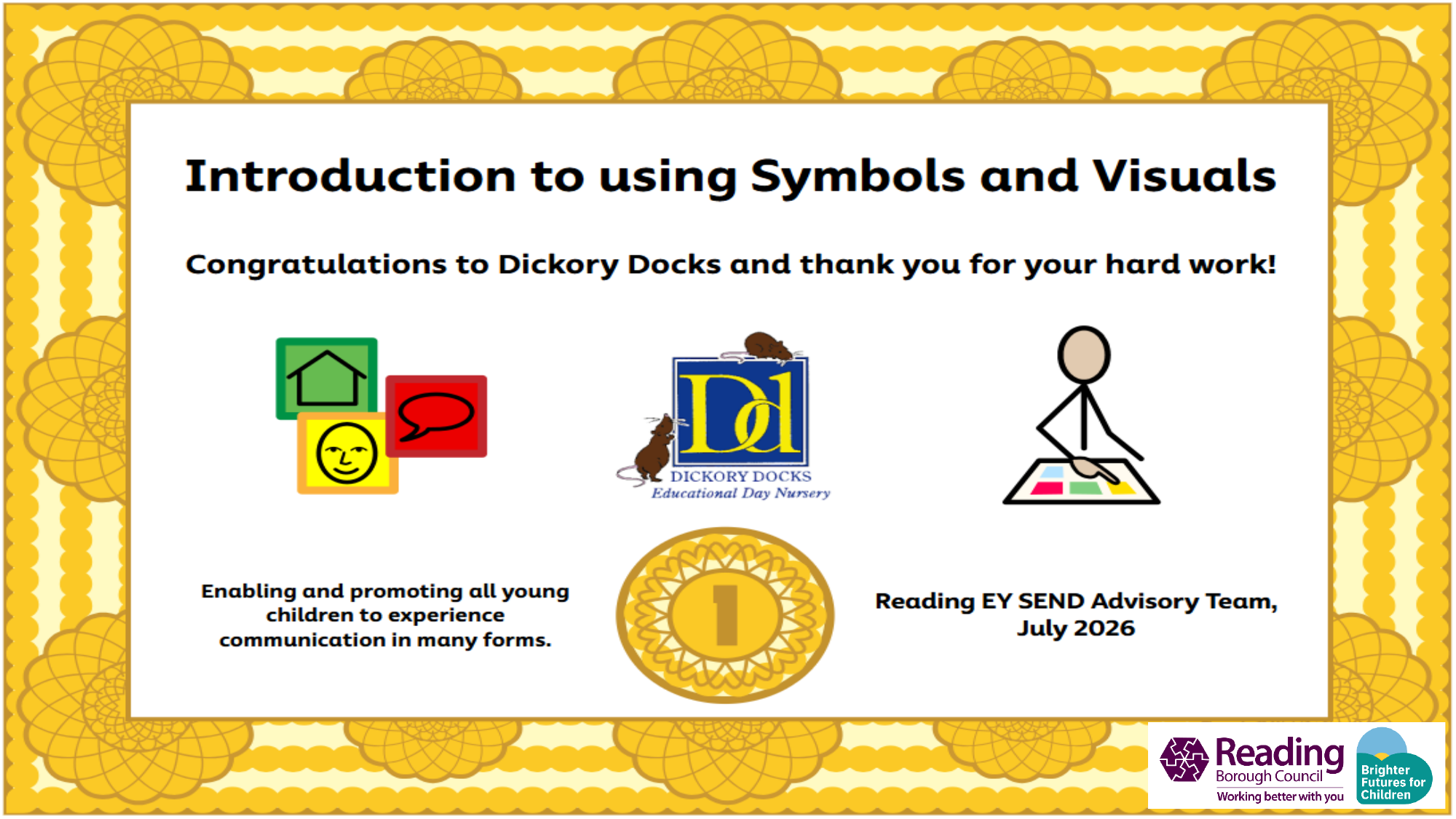
Words disappear, symbols are permanent
Our nursery staff have successfully completed training on the effective use of symbols and visual widgets, delivered by the Brighter Futures SEND Team. This professional development has strengthened staff knowledge and confidence in using visual communication strategies to support children's understanding, communication, independence, and participation in everyday nursery routines.
Following the training, staff have embedded a range of visual supports throughout the setting, including visual timetables, choice boards, now-and-next boards, routine cards, and picture symbols — used consistently to create an inclusive learning environment for all children, particularly those with SEND, communication and language needs, and children learning English as an additional language.
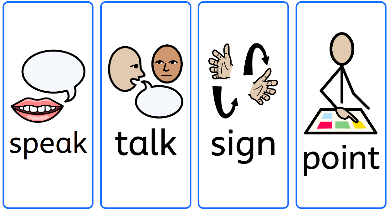
The Four Fundamentals
What this looks like in practice
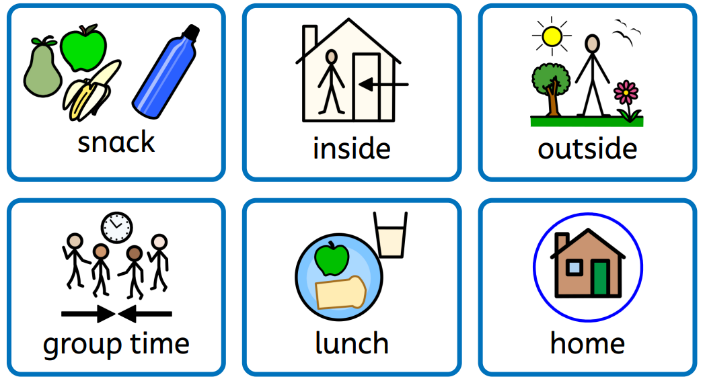
Now and next boards
At key points and transitions during the day, staff use symbol boards to aid understanding — for example "now it is group time, next is lunch". These are used with all children, individually and as a whole group, and everyone benefits.
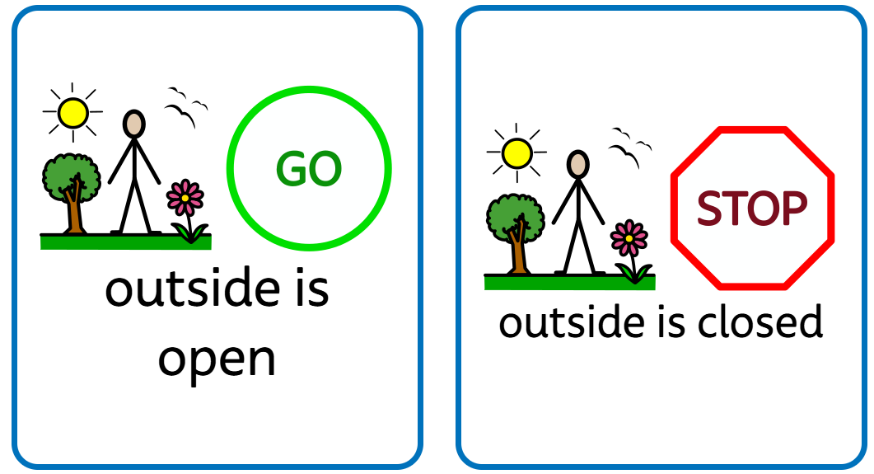
Visual signs around the setting
Provision signs, door signs, and routine cards are printed and laminated so they can stand up to daily use both inside and outside, helping children navigate the nursery and understand what's expected of them at each step.
Example symbol cards
Staff use sets of Widgit symbol cards like these to support transitions and emotional understanding throughout the day.

Now and Next cards help children anticipate what is happening and what comes after.

Emotion cards support children in identifying and communicating how they feel.
Let's Connect: small group connection times
"Let's Connect" sessions bring together a small, consistent group of up to six children with one member of staff, away from the main provision for around ten minutes. The sessions foster connection, belonging, and shared attention through a calm, senses-led routine — a greeting song, a shared toy or puppet, gentle sensory activities such as scent pots and massage toys, and a goodbye song.
Communication boards are used throughout to model their use, keeping the group and adult consistent from session to session. The repetition and familiarity help children build connections and a sense of belonging to their group, and the approach can be used alongside or as an alternative to Attention Autism sessions.
The difference it has made
Since embedding these strategies, staff have observed increased independence, improved communication, smoother transitions, and greater engagement from children across the nursery. Emotion symbols and visual strategies help children identify and communicate their feelings, while visual reminders support them in following routines and understanding expectations — helping children build resilience, confidence, and a growing ability to manage changes within the nursery day.
This shared approach ensures consistency across the nursery, so every child receives the same high-quality communication support regardless of the room they attend or the member of staff working with them. Parents have responded positively too, and are encouraged to use similar strategies at home to create continuity between home and nursery.